BlogMachining PEEK: Expert Tips for Medical Device Prototypes
News & InsightsTrendingIn-Depth
2026年1月11日
Machining PEEK: Expert Tips for Medical Device Prototypes
As technology continues to evolve, enterprise digital transformation enters a new phase. This report analyzes the most noteworthy digital transformation trends of 2024.
Machining PEEK: Expert Tips for Medical Device Prototypes
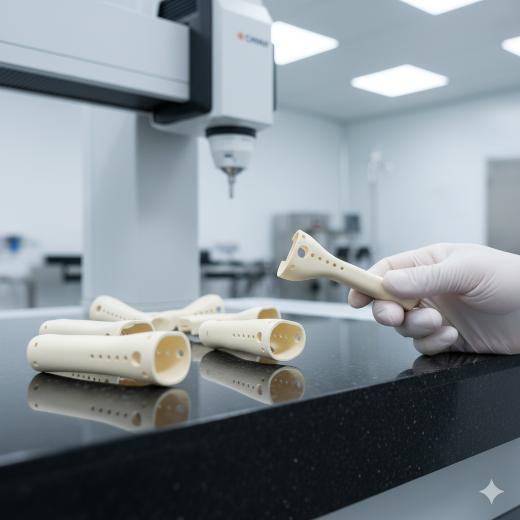
When it comes to high-performance engineering plastics, PEEK (Polyetheretherketone) is often considered the king. Thanks to its exceptional mechanical strength, high-temperature resistance, and excellent biocompatibility, PEEK is the material of choice for medical device prototypes, surgical instruments, and aerospace components.
However, machining PEEKis notoriously challenging. It requires specialized knowledge, precise temperature control, and advanced CNC machining servicesto achieve tight tolerances. Here are the key factors we focus on when machining custom PEEK parts.
1. Managing Heat Generation
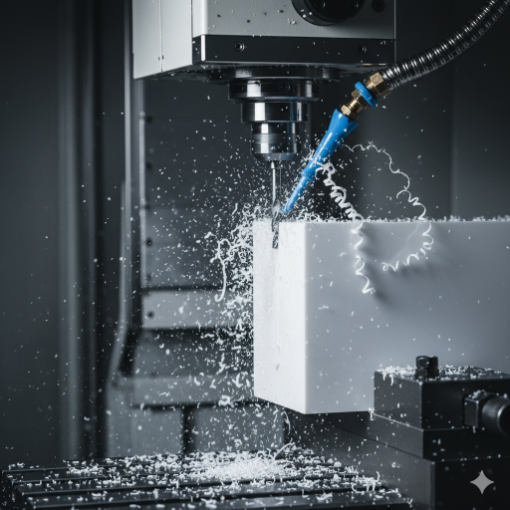
Unlike metals, plastics do not dissipate heat well. During the CNC milling or turningprocess, the friction from the cutting tool can quickly cause PEEK to melt, warp, or crack.
The Solution:Proper cooling is non-negotiable. While standard liquid coolants work for industrial PEEK parts, medical-grade PEEK componentsoften require pure air cooling or specialized biocompatible coolants to prevent contamination. We carefully optimize our feed rates and spindle speeds to minimize heat buildup.
2. Tooling Selection is Critical
PEEK is highly abrasive, especially when reinforced with carbon fiber or glass fiber. Standard high-speed steel (HSS) tools will wear out almost instantly.
The Solution:We exclusively use razor-sharp, polycrystalline diamond (PCD) coated or high-quality carbide cutting tools. Sharp tools reduce cutting forces and prevent the material from chipping or tearing, ensuring a flawless surface finish on your custom machined prototypes.
3. The Importance of Annealing
One of the biggest secrets to holding tight tolerances (e.g., ±0.01mm) on PEEK parts is managing internal material stress. If PEEK is machined too aggressively without stress relief, the part will warp after it is removed from the machine.
The Solution:Annealing (a controlled heating and cooling process) is essential. Depending on the complexity of the part, the raw PEEK material may need to be annealed before machining, and sometimes even subjected to intermediate annealing steps during the machining process to ensure absolute dimensional stability.
Your Trusted Partner for High-Performance Plastics
Machining medical-grade plastics leaves no room for error. At [Your Company Name], we have the expertise, the right tooling, and the strict quality control required to deliver flawless custom PEEK parts.
Ready to bring your medical device prototype to life? Request a quote todayand let our engineering team handle the complexities of PEEK machining.
Interested in Our Services?
Contact us now for professional consulting services