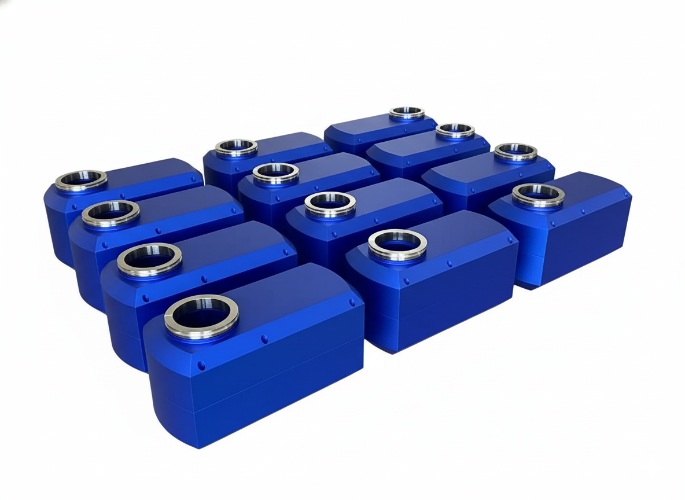
BlogAnodizing vs. Powder Coating: Which is Best for Custom Aluminum Parts?
News & InsightsFeaturedIn-Depth
2026年1月11日
Anodizing vs. Powder Coating: Which is Best for Custom Aluminum Parts?
Human resource management is undergoing profound digital transformation, from recruitment to performance management, with every aspect embracing new technologies.
Anodizing vs. Powder Coating: Which is Best for Custom Aluminum Parts?
When manufacturing custom CNC aluminum parts, choosing the right surface finish is just as important as the machining process itself. The finish dictates not only the cosmetic appearance of the part but also its corrosion resistance, durability, and final dimensions.
For aluminum components, the two most popular finishing options are Anodizingand Powder Coating. But how do you know which one is right for your specific project? Let’s break down the differences.
1. What is Aluminum Anodizing?
Anodizing is an electrochemical process that converts the metal surface into a decorative, durable, corrosion-resistant, anodic oxide finish. Unlike paint, the anodic coating is fully integrated with the underlying aluminum, meaning it cannot chip or peel.
Pros:Excellent corrosion resistance, maintains the metallic look of the part, and adds very little thickness (typically 0.005mm to 0.025mm), making it ideal for precision machined partswith tight tolerances.
Cons:Limited color options compared to paint, and surface scratches on the raw material may still be visible.
Best For:Internal mechanical components, aerospace parts, and consumer electronics where tight tolerances and a premium metallic feel are required.
2. What is Powder Coating?
Powder coating involves applying a dry powder to the metal surface electrostatically, which is then cured under heat to form a hard, protective "skin."
Pros:Extremely durable, highly resistant to impact, UV rays, and harsh chemicals. It offers an unlimited variety of colors and textures (matte, glossy, textured) and can easily hide minor surface defects from the CNC milling process.
Cons:It adds significant thickness to the part (usually 0.05mm to 0.15mm or more). This can interfere with threaded holes or tight-fitting mating surfaces unless those areas are carefully masked before coating.
Best For:Outdoor equipment, automotive parts, and heavy machinery enclosures where maximum durability and vibrant colors are needed.
The Verdict: Which Should You Choose?
If your custom machined componentsrequire strict dimensional accuracy and a sleek metallic finish, Anodizingis the clear winner. However, if your parts will face harsh outdoor environments, heavy impacts, or require a specific custom color, Powder Coatingis the better investment.
Need Expert Advice on Surface Finishes?
At Joyfast, we offer comprehensive CNC machining servicesalong with a wide range of premium surface treatments. Send us your CAD files today, and our engineering team will help you select the most cost-effective finish for your application.
Interested in Our Services?
Contact us now for professional consulting services