BlogTop 5 Ways to Reduce CNC Machining Costs: A DFM Guide for Engineers
News & InsightsFeaturedIn-Depth
2026年1月11日
Top 5 Ways to Reduce CNC Machining Costs: A DFM Guide for Engineers
Through comprehensive digital transformation, this manufacturing enterprise achieved a 30% increase in production efficiency and 20% cost reduction, setting a benchmark for the industry.
Top 5 Ways to Reduce CNC Machining Costs: A DFM Guide for Engineers
Every engineer wants to lower the cost of custom CNC partswithout compromising quality or performance. The secret to achieving this lies in Design for Manufacturability (DFM). By optimizing your 3D CAD models before requesting a CNC machining quote, you can significantly cut down production time and expenses.
Whether you are prototyping or moving into volume production, here are the top 5 proven ways to reduce CNC machining costs.
1. Add Radii to Internal Corners
Because CNC millingtools are cylindrical, they naturally leave a radius when cutting out a pocket or cavity. Designing sharp, 90-degree internal corners means the machinist must use Electrical Discharge Machining (EDM) or extremely small end mills to clear out the material. Both methods are slow and expensive.
Pro Tip:Always add a corner radius that is slightly larger than the tool radius (ideally at least 1/3 of the cavity depth). This allows the tool to move smoothly without stopping, saving significant machining time.
2. Avoid Unnecessarily Tight Tolerances
Specifying tight tolerances (e.g., ±0.005mm) across the entire part is one of the most common reasons for high quotes. Ultra-tight tolerances require specialized precision machiningtechniques, slower feed rates, frequent tool changes, and strict quality control inspections, which all drive up the price.
Pro Tip:Only apply tight tolerances to critical mating surfaces or bearing fits. For the rest of your custom machined components, use standard tolerances (such as ISO 2768-m or ±0.1mm).
3. Minimize Part Setups
Every time a part needs to be manually flipped, rotated, or repositioned in the CNC turning and milling machines, labor costs increase. Complex parts that require machining from 5 or 6 different sides will require custom fixtures and multiple setups.
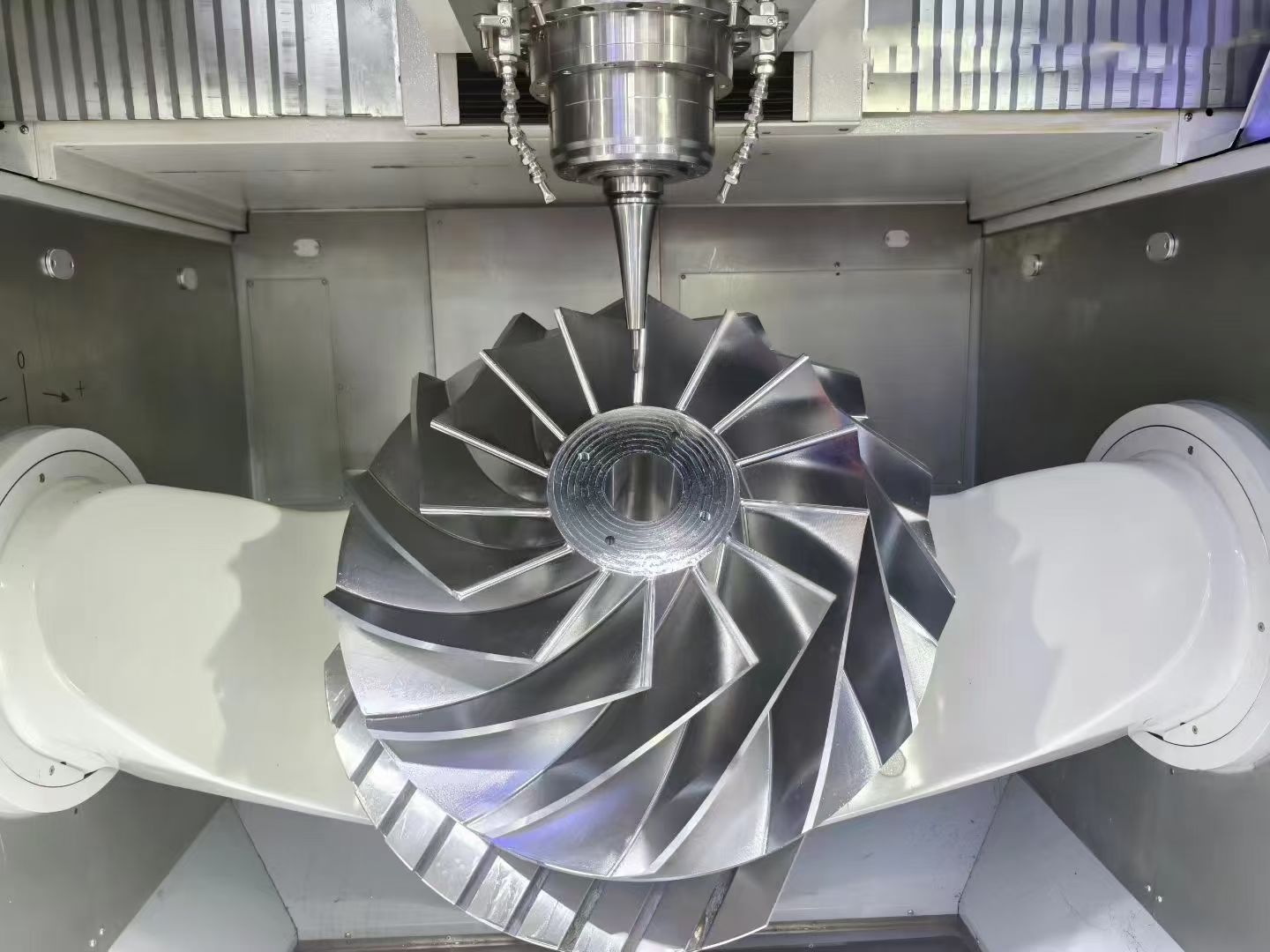
Pro Tip:Design your parts to be machined from one or two setups if possible. If complex geometries are absolutely necessary, consider if the design justifies the use of 5-axis CNC machining services, which can machine multiple sides in a single setup but comes at a higher hourly rate.
4. Choose the Most Cost-Effective Material
Material machinability directly impacts your final bill. While Titanium or Stainless Steel 316 are excellent materials, they are tough, wear down cutting tools faster, and take much longer to cut.
Pro Tip:Don't over-engineer your material choice. If extreme strength or harsh chemical resistance isn't required, opt for highly machinable materials like Aluminum 6061, Brass, or Delrin (POM). These materials can be machined at high speeds, drastically lowering the cost.
5. Standardize Hole and Thread Sizes
Designing holes or threads that require custom tooling will instantly inflate your manufacturing costs. Deep threads also increase the risk of tool breakage.
Pro Tip:Stick to standard metric (M) or imperial tap sizes. Furthermore, avoid designing excessively deep threads. A thread depth of 1.5 to 3 times the hole diameter is usually more than sufficient for strong fastening.
Need Help Optimizing Your Design?
At Joy fast we don't just manufacture parts; we partner with you to optimize them. Our engineering team provides free DFM feedback with every inquiry to help you get the best value. Contact us todayfor a competitive quote on your next project!
Interested in Our Services?
Contact us now for professional consulting services