
News & InsightsTrendingPractical
2026年1月11日
Design Guide for CNC Turning: Tolerances, Threads, and Cost-Saving Tips
Exploring the latest practices and innovative methods in supply chain management to help enterprises optimize supply chain processes and improve responsiveness.
Design Guide for CNC Turning: Tolerances, Threads, and Cost-Saving Tips
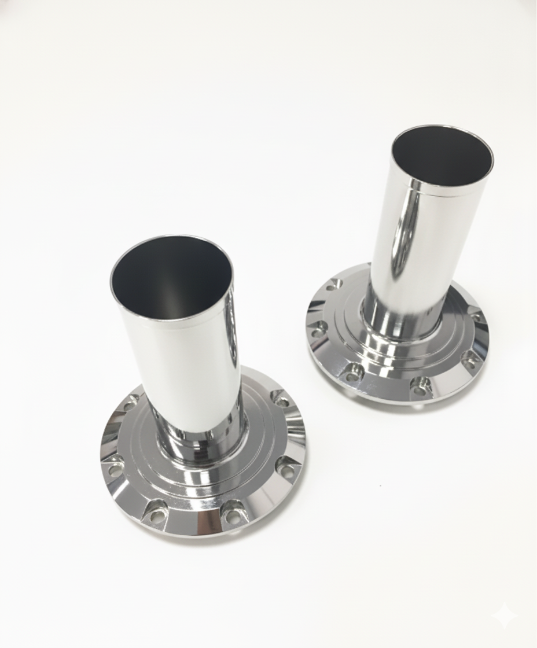
CNC turningis the go-to manufacturing process for creating precise cylindrical parts like shafts, pins, and custom fittings. While modern CNC lathesare incredibly capable, the cost and quality of your final product heavily depend on how the part is designed.
To help you reduce manufacturing costs and avoid production delays, our engineers have compiled this essential Design for Manufacturability (DFM) guide for precision turned parts.
1. Be Smart with Tolerances
The golden rule of CNC machiningapplies perfectly to turning: only use tight tolerances when absolutely necessary.
Specifying a ±0.005mm tolerance on a non-critical diameter forces the machinist to slow down the feed rate, perform frequent tool checks, and increase inspection time. For standard dimensions, stick to standard tolerances (like ISO 2768-m). Reserve tight tolerances strictly for bearing fits or critical mating surfaces.
2. Optimize Thread Design
Threads are common in CNC turned components, but they can be tricky if not designed correctly.
- Use Standard Sizes:Always design threads based on standard metric (M) or unified (UN) sizes. Custom thread pitches require custom cutting tools, which drastically increases costs.
- Include Relief Grooves:If you are designing an external thread that ends near a shoulder, always include a thread relief groove (undercut). This gives the cutting tool a safe place to exit without crashing into the part.
3. Watch Your Wall Thickness
When turning parts with deep internal holes (like tubes or housings), the remaining wall thickness is critical. If the walls are too thin, the pressure from the cutting tool will cause the material to vibrate (chatter) or deform. As a general rule for custom metal parts, try to maintain a minimum wall thickness of 0.8mm to 1.0mm to ensure a smooth surface finish and dimensional stability.
4. Keep the Length-to-Diameter (L/D) Ratio in Check
Long, skinny parts are difficult to turn because they tend to bend away from the cutting tool. A good rule of thumb is to keep the Length-to-Diameter (L/D) ratio under 3:1 or 4:1. If your design requires a higher ratio, we will need to use a tailstock or steady rest to support the part, which may add to the setup time.
Looking for a Reliable CNC Turning Partner?
Whether you need simple aluminum standoffs or complex stainless steel shafts, our advanced CNC turning and milling machinescan deliver. Contact [Your Company Name] today for a fast, free quote and complimentary DFM analysis!